TSLA

379.10 USD
+1.07%
Today
+1.08%
1D
Market is open
Sun
Closed
Mon
3:00 AM ~ 12:00 PM
Tue
12:00 AM ~ 12:00 PM
Wed
12:00 AM ~ 12:00 PM
Thu
12:00 AM ~ 12:00 PM
Fri
12:00 AM ~ 12:00 PM
Sat
Closed
Information
Name
Tesla Leveraged
Currency
USD
Standard Leverage
1X
Enhanced Leverage
3X
Overnight Fees Buy
-0.0190%
Overnight Fees Sell
0.0024%
Market Cap
1.46T
Avg Daily Volume
38.16M
52 Week High
498.83 USD
52 Week Low
297.38 USD
Trading Hours
See hours
Overnight Fees Calculator
| Daily Overnight Fee % | Daily Overnight Fee $ | |
|---|---|---|
| BUYS | -0.01900% | $(0.190) |
| SELLS | 0.00240% | $0.024 |
*Results displayed are estimates. Actual fees may differ from those shown as market conditions change.
Business Summary
Tesla, Inc. designs, develops, manufactures, leases, and sells electric vehicles, and energy generation and storage systems in the United States, China, and internationally. The company operates in two segments, Automotive; and Energy Generation and Storage. The company offers electric vehicles, as well as sells automotive regulatory credits; and non-warranty maintenance services and collision, automotive insurance services, as well as part sales and retail merchandise sale. It also provides sedans and sport utility vehicles through direct and used vehicle sales, a network of Tesla Superchargers, and in-app upgrades; purchase financing and leasing services; services for electric vehicles through its company-owned service locations and Tesla mobile service technicians; and vehicle limited warranties and extended service plans. In addition, the company engages in the design, manufacture, installation, sale, and leasing of solar energy generation and energy storage products, and related services to residential, commercial, and industrial customers and utilities through its website, stores, and galleries, as well as through a network of channel partners. Further, it provides services and repairs to its energy product customers, including under warranty and extended service plans; and various financing options to its residential customers; lithium-ion battery energy storage products, such as Powerwall and Megapack; energy generation products, including solar panels and solar roof; self-driving development and artificial intelligence software, vehicle control and infotainment software, and battery and powertrain. The company was formerly known as Tesla Motors, Inc. and changed its name to Tesla, Inc. in February 2017. Tesla, Inc. was incorporated in 2003 and is headquartered in Austin, Texas.
Top News
SpaceX
+2.51%
Delta
+0.54%
Amazon.com
+0.32%
TeslaMotor
+1.08%
UnitedCon
+0.86%
Ahead of DAL Earnings, Elon Musk Mocks Delta's Starlink Snub: 'Accessing the Internet Is Utterly Impossible'
tradingview.com
1h ago

SpaceX
+2.51%
Amazon.com
+0.32%
TeslaMotor
+1.08%
StateStreet
+1.67%
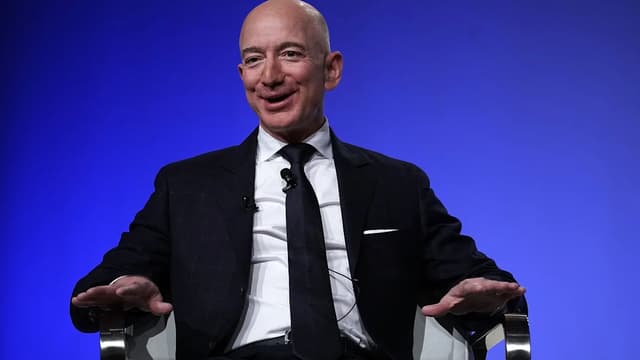
Prediction: Jeff Bezos Will One Day Reclaim The Title Of World’s Richest Man. Here’s Why Elon Musk’s $650 Billion Lead Might Not Be Enough
finance.yahoo.com
1h ago
TeslaMotor
+1.08%
Tesla Drops ‘Full Self-Driving’ Name in Europe as Germany Backs Faster EU Approval for ‘Tesla Assisted Driving’
tradingview.com
2h ago

Show more
Frequently Asked Questions
What are cyclical stocks in trading?
Cyclicals are stocks that move in line with the broader economy. They perform well during economic booms and tend to decline during recessions.
Why do traders invest in cyclical sectors?
Traders use cyclicals to capitalize on economic recovery phases, often seeking high returns when consumer spending and business investment rise.
What industries fall under cyclicals?
Automobiles, travel & tourism, retail, restaurants, and luxury goods are common cyclical industries.
Are cyclical stocks risky?
They can be. While they offer growth potential, they are more volatile and sensitive to economic changes compared to defensive sectors.