GIS

32.05 USD
-1.60%
Today
-1.63%
1D
Market is open
Sun
Closed
Mon
3:00 AM ~ 12:00 PM
Tue
12:00 AM ~ 12:00 PM
Wed
12:00 AM ~ 12:00 PM
Thu
12:00 AM ~ 12:00 PM
Fri
12:00 AM ~ 12:00 PM
Sat
Closed
Information
Name
General Mills Leveraged
Currency
USD
Standard Leverage
1X
Enhanced Leverage
3X
Overnight Fees Buy
-0.0190%
Overnight Fees Sell
0.0024%
Market Cap
17.12B
Avg Daily Volume
9.56M
52 Week High
51.26 USD
52 Week Low
31.18 USD
Trading Hours
See hours
Overnight Fees Calculator
| Daily Overnight Fee % | Daily Overnight Fee $ | |
|---|---|---|
| BUYS | -0.01900% | $(0.190) |
| SELLS | 0.00240% | $0.024 |
*Results displayed are estimates. Actual fees may differ from those shown as market conditions change.
Business Summary
General Mills, Inc. manufactures and markets branded consumer food in the United States and internationally. The company operates through four segments: North America Retail; International; North America Pet; and North America Foodservice. It offers snacks, including grain, fruit and savory snacks, nutrition bars, and frozen hot snacks; ready-to-eat cereal; convenient meals comprising meal kits, ethnic meals, pizza, soup, side dish mixes, frozen breakfast, and frozen entrees; wholesome natural pet food; refrigerated and frozen dough; baking mixes and ingredients; and ice cream products. The company also offers dog and cat food, such as dry food, wet food, fresh food, and treats. In addition, it operates 232 and franchises 376 ice cream parlors. The company markets its products under the Annie's, Betty Crocker, Bisquick, Blue Buffalo, Bugles, Cascadian Farm, Cheerios, Chex, Cinnamon Toast Crunch, Cocoa Puffs, Cookie Crisp, Dunkaroos, Edgard & Cooper, Fiber One, Fruit by the Foot, Fruit Gushers, Fruit Roll-Ups, Gardetto's, Gold Medal, Golden Grahams, Häagen-Dazs, Kitano, Kix, Lärabar, Latina, Lucky Charms, Nature Valley, Nudges, Oatmeal Crisp, Old El Paso, Pillsbury, Progresso, Tastefuls, Tiki Pets, Total, Totino's, Trix, True Solutions, Wanchai Ferry, Wheaties, Wilderness, and Yoki brands. It sells its products to grocery stores, mass merchandisers, membership stores, natural food chains, drug, dollar and discount chains, e-commerce retailers, commercial and noncommercial foodservice distributors and operators, restaurants, convenience stores, and pet specialty stores. The company was founded in 1866 and is headquartered in Minneapolis, Minnesota.
Top News
Fedex
-0.28%
Verizon
-4.60%
General_Mills
-1.63%
Spectrum.Brands
+0.00%
WesternUnion
-2.86%
Western Union Yields Nearly 15%. These 6 Dividend Stocks Could Be Headed for a Painful Cut
finance.yahoo.com
1h ago

General_Mills
-1.63%
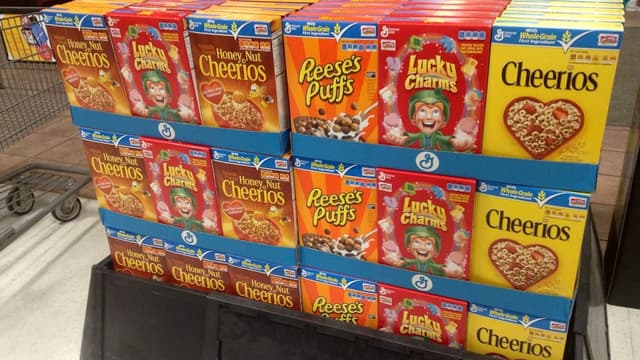
General Mills (GIS) Stock Looks About Right On Its 40% Slump
finance.yahoo.com
10h ago
General_Mills
-1.63%
Campbell_Soup
-1.29%
Kraft
-1.69%
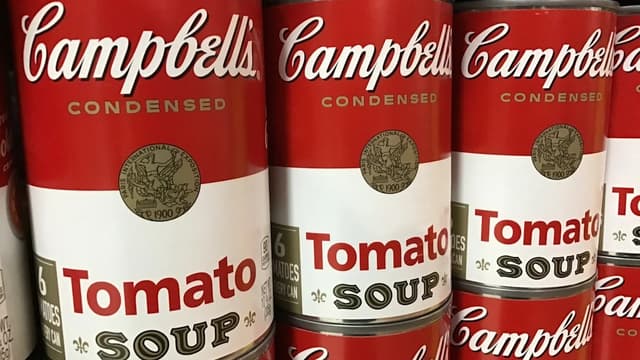
Campbell’s Slashes Dividend 36% to Combat Debt From Rao’s Acquisition
finance.yahoo.com
1d ago
Show more
Frequently Asked Questions
What does defensive trading mean?
Defensive trading means investing in stocks or assets that are less sensitive to economic cycles and tend to perform steadily during market downturns, such as utilities, healthcare, and consumer staples. It’s a strategy to protect your portfolio from volatility and losses during uncertain or declining markets.
Why are utilities a defensive sector?
Utilities are a defensive sector because they provide essential services like electricity and water that people need regardless of the economy, so their demand remains stable even during economic downturns. This stability leads to steady revenues and dividends, making utilities less volatile compared to other sectors.
What are defensive stocks?
Defensive stocks are shares of companies that provide essential goods or services, such as utilities, healthcare, and consumer staples. These stocks tend to remain stable and perform well even during economic downturns because their products are always in demand.
How do you trade defensively?
To trade defensively, focus on investing in stable, low-volatility stocks like utilities, healthcare, and consumer staples that perform well during market downturns. Also, diversify your portfolio, avoid high-risk bets, and consider using strategies like stop-loss orders to protect against big losses.