TGT
159.90 USD
+0.92%
Today
+3.42%
1D
Market is closed
Sun
Closed
Mon
4:30 PM ~ 10:59 PM
Tue
4:30 PM ~ 10:59 PM
Wed
4:30 PM ~ 10:59 PM
Thu
4:30 PM ~ 10:59 PM
Fri
4:30 PM ~ 10:59 PM
Sat
Closed
Information
Name
Target
Currency
USD
Avg Daily Volume
255.35K
52 Week High
62 USD
52 Week Low
12.89 USD
Trading Hours
See hours
Business Summary
The fund is an actively managed exchange traded fund (“ETF”) that attempts to achieve two times (200%) the daily percentage change in the share price of the underlying security by employing derivatives, namely swap agreements and/or listed options contracts. The fund is non-diversified.
Top News
Target
+4.49%
Wal-Mart
+2.58%
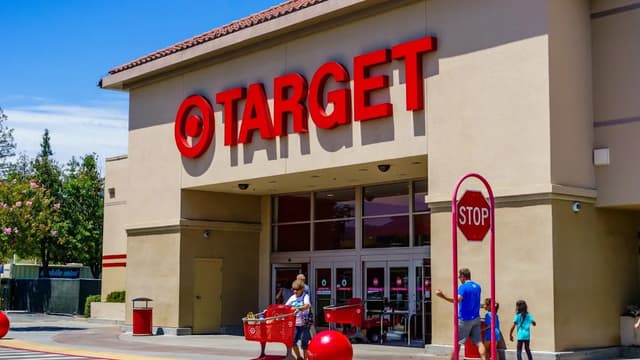
Target vs. Walmart: Holiday marketing’s stakes feel higher this year
finance.yahoo.com
56m ago

Target
+4.49%
Wal-Mart
+2.58%
Amazon.com
+6.64%
DollarTree
+7.13%
FiveBelow
+7.25%
Costco
+2.36%
XRT_CFD
+5.04%
Walmart, Target, and Dollar Tree lead retail rally after the Democrats sweep Congress
tradingview.com
1h ago

Target
+4.49%
Wal-Mart
+2.58%
Target Yields Nearly 4 Times Walmart. Which Dividend Is Better for Retirement?
finance.yahoo.com
1h ago
Show more
Frequently Asked Questions
What does defensive trading mean?
Defensive trading means investing in stocks or assets that are less sensitive to economic cycles and tend to perform steadily during market downturns, such as utilities, healthcare, and consumer staples. It’s a strategy to protect your portfolio from volatility and losses during uncertain or declining markets.
Why are utilities a defensive sector?
Utilities are a defensive sector because they provide essential services like electricity and water that people need regardless of the economy, so their demand remains stable even during economic downturns. This stability leads to steady revenues and dividends, making utilities less volatile compared to other sectors.
What are defensive stocks?
Defensive stocks are shares of companies that provide essential goods or services, such as utilities, healthcare, and consumer staples. These stocks tend to remain stable and perform well even during economic downturns because their products are always in demand.
How do you trade defensively?
To trade defensively, focus on investing in stable, low-volatility stocks like utilities, healthcare, and consumer staples that perform well during market downturns. Also, diversify your portfolio, avoid high-risk bets, and consider using strategies like stop-loss orders to protect against big losses.