REG
77.00 USD
-0.13%
Today
+1.01%
1D
Market is closed
Sun
Closed
Mon
4:30 PM ~ 10:59 PM
Tue
4:30 PM ~ 10:59 PM
Wed
4:30 PM ~ 10:59 PM
Thu
4:30 PM ~ 10:59 PM
Fri
4:30 PM ~ 10:59 PM
Sat
Closed
Information
Name
Regency Centers
Currency
USD
Avg Daily Volume
3.57K
52 Week High
24.35 USD
52 Week Low
21.21 USD
Trading Hours
See hours
Business Summary
Regency Centers Corporation is a pre-eminent national owner, operator, and developer of shopping centers located in suburban trade areas with compelling demographics. Our portfolio includes thriving properties merchandised with highly productive grocers, restaurants, service providers, and best-in-class retailers that connect to their neighborhoods, communities, and customers. Operating as a fully integrated real estate company, Regency Centers is a qualified real estate investment trust (REIT) that is self-administered, self-managed, and an S&P 500 Index member. Regency Centers Corporation was incorporated in 1963 and is based in Jacksonville, Florida.
Top News
DXY
-0.51%
Dol.Indx6Z.m
-0.49%
RegencyCenters
+2.33%
Regis Healthcare And 2 Other Australian Insider Owned Growth Stocks
finance.yahoo.com
9h ago

RegencyCenters
+2.33%
3 Australian Growth Stocks With Revenue Growth Up To 17%
finance.yahoo.com
1d ago

RegencyCenters
+2.33%
NationalHealth
+1.73%
ParkHotels
-0.12%
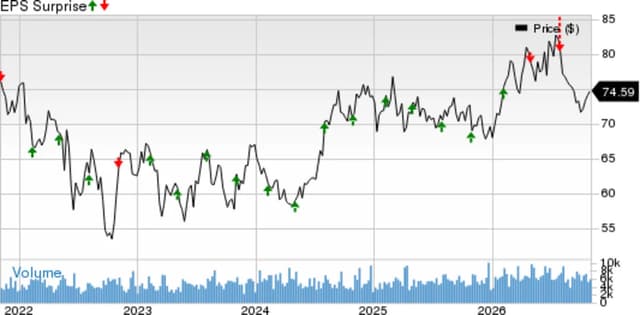
What's in the Offing for Regency Centers Stock This Earnings Season?
finance.yahoo.com
1d ago
Show more
Frequently Asked Questions
What defines retail stocks?
Retail stocks represent businesses that sell goods directly to consumers, including brick-and-mortar stores, e-commerce platforms, and consumer brands.
Are retail stocks seasonal?
Yes. Sales tend to spike during holidays and promotional periods like Black Friday, which can significantly impact quarterly earnings.
What factors influence retail stock performance?
Consumer confidence, inflation, disposable income, and trends in online shopping all play major roles in retail stock movements.
Is the retail sector considered risky?
It can be, due to changing consumer behavior, competition from e-commerce, and sensitivity to economic conditions like interest rates and employment levels.