LI
11.69 USD
+2.01%
Today
+4.38%
1D
Market is closed
Sun
Closed
Mon
4:30 PM ~ 10:59 PM
Tue
4:30 PM ~ 10:59 PM
Wed
4:30 PM ~ 10:59 PM
Thu
4:30 PM ~ 10:59 PM
Fri
4:30 PM ~ 10:59 PM
Sat
Closed
Information
Name
Li Auto
Currency
USD
Market Cap
10.95B
Avg Daily Volume
2.82M
52 Week High
20.57 USD
52 Week Low
10.66 USD
Trading Hours
See hours
Business Summary
Li Auto Inc. operates in the energy vehicle market in the People's Republic of China. The company designs, develops, manufactures, and sells premium smart electric vehicles. Its product line comprises multi-purpose vehicles and sport utility vehicles. The company offers sales and after sales management, and technology development and corporate management services, as well as manufacturing equipment. It offers its products through online and offline channels. The company was formerly known as Leading Ideal Inc. and changed its name to Li Auto Inc. in July 2020. Li Auto Inc. was founded in 2015 and is headquartered in Beijing, the People's Republic of China.
Top News
Li.Auto.Inc
+4.68%
Li Auto October deliveries dip 8.8% M/M to 29,025 units; cumulative deliveries reach 1.86M
tradingview.com
2d ago

Li.Auto.Inc
+4.68%
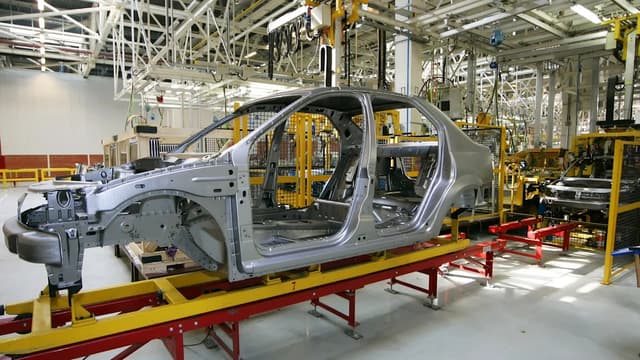
Does Five Seat SUV Launch Change The Bull Case For Li Auto Stock (LI)?
finance.yahoo.com
6d ago
Li.Auto.Inc
+4.68%
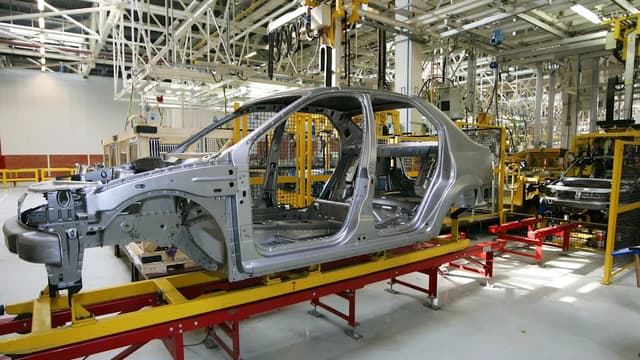
Li Auto (LI) Stock May Be 23% Below Fair Value Despite Battery Safety Launch
finance.yahoo.com
6d ago
Show more
Frequently Asked Questions
What are cyclical stocks in trading?
Cyclicals are stocks that move in line with the broader economy. They perform well during economic booms and tend to decline during recessions.
Why do traders invest in cyclical sectors?
Traders use cyclicals to capitalize on economic recovery phases, often seeking high returns when consumer spending and business investment rise.
What industries fall under cyclicals?
Automobiles, travel & tourism, retail, restaurants, and luxury goods are common cyclical industries.
Are cyclical stocks risky?
They can be. While they offer growth potential, they are more volatile and sensitive to economic changes compared to defensive sectors.