IP
33.94 USD
-2.31%
Today
-2.02%
1D
Market is closed
Sun
Closed
Mon
4:30 PM ~ 10:59 PM
Tue
4:30 PM ~ 10:59 PM
Wed
4:30 PM ~ 10:59 PM
Thu
4:30 PM ~ 10:59 PM
Fri
4:30 PM ~ 10:59 PM
Sat
Closed
Information
Name
International Paper
Currency
USD
Market Cap
17.97B
Avg Daily Volume
5.19M
52 Week High
50.25 USD
52 Week Low
29.26 USD
Trading Hours
See hours
Business Summary
International Paper Company produces and sells renewable fiber-based packaging in North America, Latin America, Europe, South America, and North Africa. It operates through two segments, Packaging Solutions North America and Packaging Solutions EMEA. The company offers linerboard, medium, whitetop, and saturating kraft; and converts containerboard into corrugated boxes, bulk bins, shipping containers and specialty packaging through its converting facilities. Its products support customers in various industries, such as food and beverage, agriculture, industrial manufacturing, personal care pharmaceuticals and consumer goods. The company was founded in 1898 and is headquartered in Memphis, Tennessee.
Top News
Intl_Paper
-0.80%
‘We need to separate this’: IP CEO unfolds DS Smith spinoff decision
finance.yahoo.com
17h ago
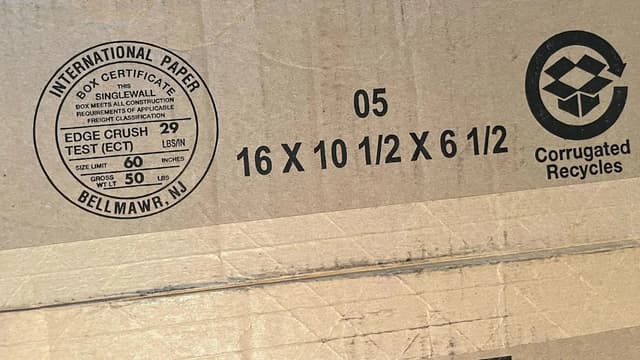
Intl_Paper
-0.80%
International Paper: 3 Key Takeaways for Long-Term Investors
finance.yahoo.com
1d ago
Intl_Paper
-0.80%
International Paper CEO Warns 2027 Will Be a ‘Slog’ as DS Smith Separation Advances
finance.yahoo.com
1d ago

Show more
Frequently Asked Questions
What are cyclical stocks in trading?
Cyclicals are stocks that move in line with the broader economy. They perform well during economic booms and tend to decline during recessions.
Why do traders invest in cyclical sectors?
Traders use cyclicals to capitalize on economic recovery phases, often seeking high returns when consumer spending and business investment rise.
What industries fall under cyclicals?
Automobiles, travel & tourism, retail, restaurants, and luxury goods are common cyclical industries.
Are cyclical stocks risky?
They can be. While they offer growth potential, they are more volatile and sensitive to economic changes compared to defensive sectors.