DG

124.86 USD
-0.66%
Today
+0.61%
1D
Market is open
Sun
Closed
Mon
3:00 AM ~ 12:00 PM
Tue
12:00 AM ~ 12:00 PM
Wed
12:00 AM ~ 12:00 PM
Thu
12:00 AM ~ 12:00 PM
Fri
12:00 AM ~ 12:00 PM
Sat
Closed
Information
Name
Dollar General Leveraged
Currency
USD
Standard Leverage
1X
Enhanced Leverage
3X
Overnight Fees Buy
-0.0190%
Overnight Fees Sell
0.0024%
Market Cap
27.20B
Avg Daily Volume
2.40M
52 Week High
158.23 USD
52 Week Low
95.11 USD
Trading Hours
See hours
Overnight Fees Calculator
| Daily Overnight Fee % | Daily Overnight Fee $ | |
|---|---|---|
| BUYS | -0.01900% | $(0.190) |
| SELLS | 0.00240% | $0.024 |
*Results displayed are estimates. Actual fees may differ from those shown as market conditions change.
Business Summary
Dollar General Corporation, a discount retailer, provides various merchandise products in the southern, southwestern, midwestern, and eastern United States. It offers consumable products, including paper towels, bath tissues, paper dinnerware, trash and storage bags, disinfectants, and laundry products; packaged food, such as cereals, pasta, canned soups, canned meats, fruits and vegetables, condiments, spices, sugar, and flour; and perishables, including milk, eggs, bread, refrigerated and frozen food, beer, wine, and produce; candy, cookies, crackers, salty snacks, and carbonated beverages; over-the-counter medicines and personal care products including soap, body wash, shampoo, cosmetics, dental hygiene and foot care products; pet supplies and pet food; and tobacco products. The company also provides seasonal products comprising holiday items, toys, batteries, small electronics, greeting cards, stationery, prepaid phones and accessories, gardening supplies, hardware, automotive, and home office supplies; home products include kitchen supplies, cookware, small appliances, light bulbs, storage containers, frames, candles, craft supplies and kitchen, and bed and bath soft goods; and apparel products for infants, toddlers, girls, boys, women and men, as well as socks, underwear, disposable diapers, shoes and accessories. The company was formerly known as J.L. Turner & Son, Inc. and changed its name to Dollar General Corporation in 1968. Dollar General Corporation was founded in 1939 and is based in Goodlettsville, Tennessee.
Top News
Admiral.Group
+0.30%
Darling
-1.44%
DollarGeneral
+0.61%
Consumer staples stocks with A+ EPS revision grades ahead of Q3 results
tradingview.com
1h ago

DollarGeneral
+0.61%
Vinci (ENXTPA:DG) Stock Looks Reasonable Given Its Cash Flow Base
finance.yahoo.com
4h ago

DollarGeneral
+0.61%
RossStores
+0.00%
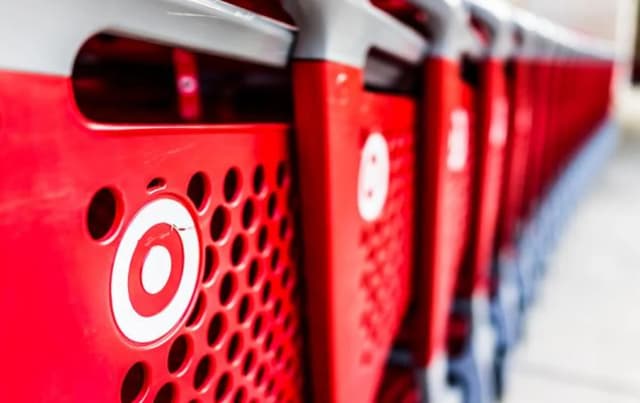
Target
-0.19%
DollarTree
+0.52%
Zacks Industry Outlook Ross Stores, Target, Dollar General and Dollar Tree
finance.yahoo.com
6h ago
Show more
Frequently Asked Questions
What does defensive trading mean?
Defensive trading means investing in stocks or assets that are less sensitive to economic cycles and tend to perform steadily during market downturns, such as utilities, healthcare, and consumer staples. It’s a strategy to protect your portfolio from volatility and losses during uncertain or declining markets.
Why are utilities a defensive sector?
Utilities are a defensive sector because they provide essential services like electricity and water that people need regardless of the economy, so their demand remains stable even during economic downturns. This stability leads to steady revenues and dividends, making utilities less volatile compared to other sectors.
What are defensive stocks?
Defensive stocks are shares of companies that provide essential goods or services, such as utilities, healthcare, and consumer staples. These stocks tend to remain stable and perform well even during economic downturns because their products are always in demand.
How do you trade defensively?
To trade defensively, focus on investing in stable, low-volatility stocks like utilities, healthcare, and consumer staples that perform well during market downturns. Also, diversify your portfolio, avoid high-risk bets, and consider using strategies like stop-loss orders to protect against big losses.