DKNG
23.58 USD
+5.60%
Today
+7.53%
1D
Market is closed
Sun
Closed
Mon
4:30 PM ~ 10:59 PM
Tue
4:30 PM ~ 10:59 PM
Wed
4:30 PM ~ 10:59 PM
Thu
4:30 PM ~ 10:59 PM
Fri
4:30 PM ~ 10:59 PM
Sat
Closed
Information
Name
Draftkings Inc-CL A
Currency
USD
Market Cap
10.89B
Avg Daily Volume
13.10M
52 Week High
36.98 USD
52 Week Low
18.35 USD
Trading Hours
See hours
Business Summary
DraftKings Inc. operates as a digital sports entertainment and gaming company in the United States and internationally. The company offers online and retail sports betting, daily fantasy sports, digital lottery couriers, prediction markets, and other products, as well as retails sportsbooks. It also provides iGaming, or online casino products, which includes blackjack, roulette, baccarat and slot machines. In addition, the company engages in the design and development of sports betting and casino gaming software for online and retail sportsbooks, and iGaming operators. DraftKings Inc. was founded in 2011 and is headquartered in Boston, Massachusetts.
Top News
Draftkings.inc
+7.74%
MGM_Resorts
+4.06%
Nebraska voters reject online sports betting initiatives
tradingview.com
1h ago

Draftkings.inc
+7.74%
MGM_Resorts
+4.06%
One Big Reason Investors Should Keep an Eye on DraftKings
finance.yahoo.com
3h ago
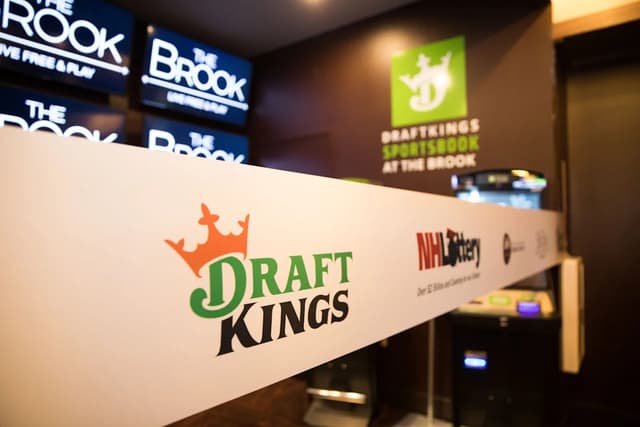
Draftkings.inc
+7.74%
DraftKings (DKNG) Q3 earnings report preview: what to look for
tradingview.com
12h ago

Show more
Frequently Asked Questions
What are cyclical stocks in trading?
Cyclicals are stocks that move in line with the broader economy. They perform well during economic booms and tend to decline during recessions.
Why do traders invest in cyclical sectors?
Traders use cyclicals to capitalize on economic recovery phases, often seeking high returns when consumer spending and business investment rise.
What industries fall under cyclicals?
Automobiles, travel & tourism, retail, restaurants, and luxury goods are common cyclical industries.
Are cyclical stocks risky?
They can be. While they offer growth potential, they are more volatile and sensitive to economic changes compared to defensive sectors.