TSN

52.56 USD
-0.08%
Today
+0.25%
1D
Market is open
Sun
Closed
Mon
3:00 AM ~ 12:00 PM
Tue
12:00 AM ~ 12:00 PM
Wed
12:00 AM ~ 12:00 PM
Thu
12:00 AM ~ 12:00 PM
Fri
12:00 AM ~ 12:00 PM
Sat
Closed
Information
Name
Tyson Foods Leveraged
Currency
USD
Standard Leverage
1X
Enhanced Leverage
3X
Overnight Fees Buy
-0.0190%
Overnight Fees Sell
0.0024%
Market Cap
18.25B
Avg Daily Volume
3.27M
52 Week High
69.48 USD
52 Week Low
49.96 USD
Trading Hours
See hours
Overnight Fees Calculator
| Daily Overnight Fee % | Daily Overnight Fee $ | |
|---|---|---|
| BUYS | -0.01900% | $(0.190) |
| SELLS | 0.00240% | $0.024 |
*Results displayed are estimates. Actual fees may differ from those shown as market conditions change.
Business Summary
Tyson Foods, Inc., together with its subsidiaries, operates as a food company worldwide. It operates through four segments: Beef, Pork, Chicken, and Prepared Foods. The company processes live fed cattle and hogs; fabricates dressed beef and pork carcasses into primal and sub-primal meat cuts, as well as case ready beef and pork, and fully cooked meats; raises and processes chickens into fresh, frozen, and value-added chicken products, including breaded chicken strips, nuggets, patties, and other ready-to-fix or fully cooked chicken parts; and supplies poultry breeding stock. It also manufactures and markets frozen and refrigerated food products, including ready-to-eat sandwiches, flame-grilled hamburgers, Philly steaks, pepperoni, bacon, breakfast sausage, turkey, lunchmeat, hot dogs, flour and corn tortilla products, appetizers, snacks, prepared meals, ethnic foods, side dishes, meat dishes, breadsticks, and processed meats under the Tyson, Jimmy Dean, Hillshire Farm, Ball Park, Wright, Aidells, Gallo Salame, ibp, and State Fair brands. The company sells its products through its sales staff to grocery retailers, grocery wholesalers, meat distributors, warehouse club stores, military commissaries, industrial food processing companies, chain restaurants or their distributors, live markets, international export companies, and domestic distributors who serve restaurants and food service operations, such as plant and school cafeterias, convenience stores, hospitals, and other vendors, as well as through independent brokers and trading companies. Tyson Foods, Inc. was founded in 1935 and is headquartered in Springdale, Arkansas.
Top News
TysonFoods
+0.25%
Tyson Foods (TSN) Is Back In The Spotlight, What Is Driving The Attention?
finance.yahoo.com
14h ago

TysonFoods
+0.25%
Anheuser.Busch
+1.35%
Danone
+1.14%
Kraft
+0.04%
McCormick
+0.11%
Unilever.UK
+0.34%
Mondelez
+2.23%
PepsiCo
-0.26%
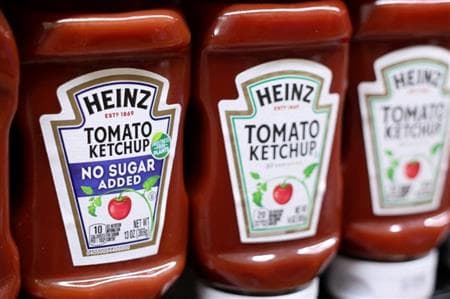
BREAKINGVIEWS-Proteinmaxxing is puny remedy for consumer giants
reuters.com
1d ago
TysonFoods
+0.25%
Piper Sandler maintains Overweight rating on Tyson Foods, $56 price target
tradingview.com
1d ago

Show more
Frequently Asked Questions
What does defensive trading mean?
Defensive trading means investing in stocks or assets that are less sensitive to economic cycles and tend to perform steadily during market downturns, such as utilities, healthcare, and consumer staples. It’s a strategy to protect your portfolio from volatility and losses during uncertain or declining markets.
Why are utilities a defensive sector?
Utilities are a defensive sector because they provide essential services like electricity and water that people need regardless of the economy, so their demand remains stable even during economic downturns. This stability leads to steady revenues and dividends, making utilities less volatile compared to other sectors.
What are defensive stocks?
Defensive stocks are shares of companies that provide essential goods or services, such as utilities, healthcare, and consumer staples. These stocks tend to remain stable and perform well even during economic downturns because their products are always in demand.
How do you trade defensively?
To trade defensively, focus on investing in stable, low-volatility stocks like utilities, healthcare, and consumer staples that perform well during market downturns. Also, diversify your portfolio, avoid high-risk bets, and consider using strategies like stop-loss orders to protect against big losses.