SNB

37.93 SAR
-3.17%
Today
-2.87%
1D
Market is closed
Sun
10:00 AM ~ 3:00 PM
Mon
10:00 AM ~ 3:00 PM
Tue
10:00 AM ~ 3:00 PM
Wed
10:00 AM ~ 3:00 PM
Thu
10:00 AM ~ 3:00 PM
Fri
Closed
Sat
Closed
Information
Name
Saudi National Bank Leveraged
Currency
SAR
Standard Leverage
1X
Enhanced Leverage
2X
Overnight Fees Buy
-0.0167%
Overnight Fees Sell
-0.0167%
Market Cap
232.65B
Avg Daily Volume
4.20M
52 Week High
45.24 SAR
52 Week Low
36 SAR
Trading Hours
See hours
Overnight Fees Calculator
| Daily Overnight Fee % | Daily Overnight Fee $ | |
|---|---|---|
| BUYS | -0.01670% | $(0.167) |
| SELLS | -0.01670% | $(0.167) |
*Results displayed are estimates. Actual fees may differ from those shown as market conditions change.
Business Summary
The Saudi National Bank, through its subsidiaries, provides banking and investment management services in the Kingdom of Saudi Arabia and internationally. The company offers current, Al Wessam, gold, commercial enterprise, and corporate accounts; Shariah-compliant financing solutions, financial solutions to MSMEs, point-of-sale Merchant Financing, personal and lease finance, and residential finance; and corporate finance solutions, including Ijara, Musharaka financing, Project and Structured Finance, Syndications and Placements, and Tawarruq. It also provides deposit, prepaid, and credit cards; cash management services, such as dividend distribution, payroll, escrow account management, deposit, and debit services; guarantees, fleet leasing, investment products, and digital banking; treasury services, such as foreign currency exchange, money markets, and shariah compliant products; payments and transfers; and trade finance, including documentary collection, export and import letter of credit, letter of guarantees, documentary collection, letter of credit program for Saudi industrial development fund clients. In addition, it operates as a private equity fund; keeps and manages title deeds and collateralized real estate properties; trades in derivatives and repos/reverse repos activities; sells POS equipment and devices; manages liquidity, market, and credit risks; and provides recruitment services, safety deposit boxes, private banking services, wealth management, asset management, investment banking, and shares brokerage services, as well as correspondent banking products and services, including money market and foreign exchange. The company was formerly known as The National Commercial Bank and changed its name to The Saudi National Bank in April 2021. The Saudi National Bank was founded in 1950 and is headquartered in Riyadh, the Kingdom of Saudi Arabia.
Top News
SNB
-2.87%
KEC
-4.50%
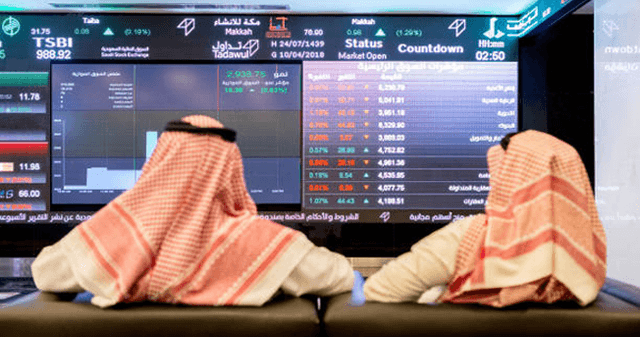
SNB, KEC see 3 negotiated deals on worth SAR 46M
Argaam
1d ago
SNB
-2.87%
RIBL
-2.26%
BSFR.OTC
-0.91%
AWWALBANK.OTC
-0.41%
ANB.OTC
-3.92%
ALRAJHI
-1.50%
ALINMA
-1.44%
MAADEN
-1.25%
LEEJAM.OTC
-1.79%
SABIC-AGRI-NUTRIENTS
-1.35%
ALUJAIN
-0.41%
YANSAB
-0.96%
ADVANCED.OTC
-1.32%
NAJRANCEMENT.OTC
+3.53%
CITYCEMENT.OTC
+0.40%
ALQURACEMENT.OTC
-1.61%
ARABIANCEMENT.OTC
+0.05%
YSCC.OTC
+0.14%
SAUDICEMENT.OTC
-0.22%
QASSIM.OTC
-0.23%
SPCC.OTC
+1.52%
YCC.OTC
-0.28%
EPCEMENT.OTC
-0.52%
TABUKCEMENT.OTC
-0.30%
A.OTHAIM.OTC
-0.97%
MOUWASAT.OTC
-1.59%
CARE.OTC
+1.59%
SULAIMAN.ALHABIB
-0.09%
SGS.OTC
-2.98%
BINDAWOOD.OTC
-3.08%
JARIR
-2.26%
SAL
-1.53%
SAUDI.ELECTRICITY
-1.80%
AMR
-0.41%
ETIHAD.ETISALAT
+0.09%
ARABIANINTERNET.OTC
-2.70%
ELM.OTC
-2.06%
TAWUNIYA.OTC
-3.33%
BUPA.OTC
-2.39%
What SICO Bank expects for Q3 2026 earnings
Argaam
3d ago

SNB
-2.87%
RIBL
-2.26%
BSFR.OTC
-0.91%
AWWALBANK.OTC
-0.41%
ANB.OTC
-3.92%
ALRAJHI
-1.50%
ALINMA
-1.44%
BJAZ
-1.81%
SAIB
-0.68%
ALBILAD
-1.51%
Bank loans to private sector, NFGEs rise 7% to SAR 3.57T in August
Argaam
3d ago

Show more
Frequently Asked Questions
What are financial stocks?
Financial stocks include companies like banks, insurance firms, investment services, and fintechs. They play a critical role in the economy by facilitating credit, investment, and wealth management.
How do interest rates affect financial stocks?
Financials often benefit from rising interest rates, which can increase net interest margins for banks and improve profitability.
Why are financials important in a trading portfolio?
Financial stocks can offer strong dividends, sector stability, and exposure to macroeconomic trends like interest rate policy and GDP growth.
What risks are associated with financial sector investing?
Regulatory changes, credit risk, economic downturns, and interest rate volatility can all impact financial companies' earnings and stock prices.