
MASAR
17.14 SAR
+0.77%
Today
+0.71%
1D
Last seen at Wed, 25 Feb 2026 10:14:00 GMT+3
Market is closed
Sun
9:00 AM ~ 2:00 PM
Mon
9:00 AM ~ 2:00 PM
Tue
9:00 AM ~ 2:00 PM
Wed
9:00 AM ~ 2:00 PM
Thu
9:00 AM ~ 2:00 PM
Fri
Closed
Sat
Closed
Performance
1 Day
+ 0.71 %
1 Week
- 3.19 %
1 Month
- 10.24 %
3 Month
- 24.98 %
6 Month
- 22.62 %
1 Year
- 32.00 %
Information
Name
Umm Al Qura for Dev & Construction
Currency
SAR
Standard Leverage
1X

Market Cap
35.25B
Avg Daily Volume
1.76M
52 Week High
26.98 SAR
Trading Hours
See hours
Business Summary
Umm Al Qura for Development and Construction Company engages in the real estate business in Saudi Arabia. The company constructs schools, hospitals, hotels, roads, streets, sidewalks, road supplies, and the construction of bridges and tunnels. It also offers off-plan sales activities, as well as management and leasing of owned or leased (nonresidential) properties. In addition, it owns and operates MASAR Destination, a redevelopment project in Makkah. The company was founded in 2012 and is headquartered in Mecca, the Kingdom of Saudi Arabia.
Top News
MOBI.OTC
+0.00%
Suncor
-0.57%
CanadianNatRes
+0.57%
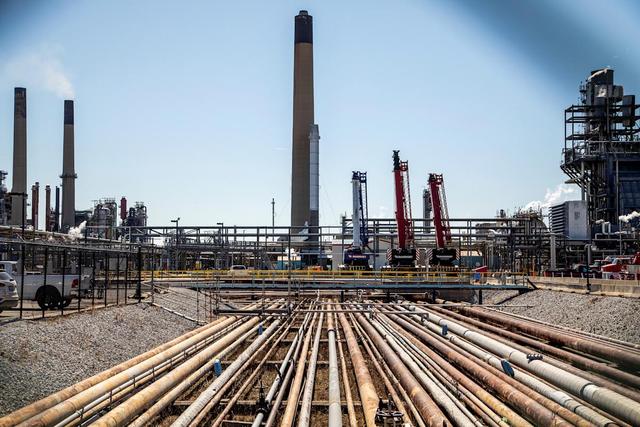
Imperial Oil stock hit with another downgrade as high-flying shares spook analysts
finance.yahoo.com
1d ago
MOBI.OTC
+0.00%
Suncor
-0.57%
CanadianNatRes
+0.57%
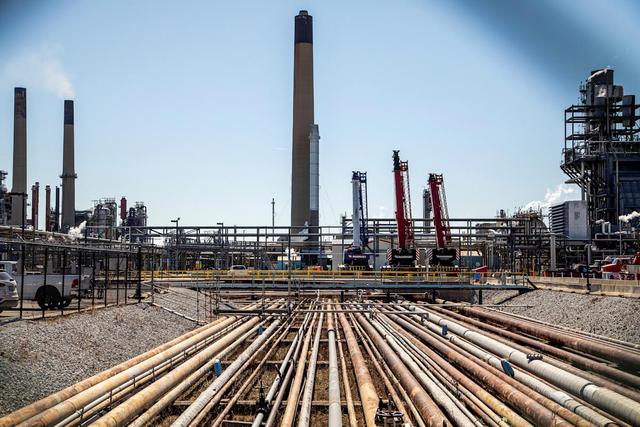
Imperial Oil cut to 'underperform'; RBC sees stock 'disconnected from its fundamentals'
finance.yahoo.com
1d ago
Enbridge
+0.10%
Enbridge: Canadian oil a 'meat and potato' staple for U.S. Gulf refineries
finance.yahoo.com
1w ago

Frequently Asked Questions
What are cyclical stocks in trading?
Cyclicals are stocks that move in line with the broader economy. They perform well during economic booms and tend to decline during recessions.
Why do traders invest in cyclical sectors?
Traders use cyclicals to capitalize on economic recovery phases, often seeking high returns when consumer spending and business investment rise.
What industries fall under cyclicals?
Automobiles, travel & tourism, retail, restaurants, and luxury goods are common cyclical industries.
Are cyclical stocks risky?
They can be. While they offer growth potential, they are more volatile and sensitive to economic changes compared to defensive sectors.


