KMB

97.67 USD
+1.12%
Today
+1.13%
1D
Market is open
Sun
Closed
Mon
3:00 AM ~ 12:00 PM
Tue
12:00 AM ~ 12:00 PM
Wed
12:00 AM ~ 12:00 PM
Thu
12:00 AM ~ 12:00 PM
Fri
12:00 AM ~ 12:00 PM
Sat
Closed
Information
Name
Kimberly-Clark Leveraged
Currency
USD
Standard Leverage
1X
Enhanced Leverage
3X
Overnight Fees Buy
-0.0190%
Overnight Fees Sell
0.0024%
Market Cap
31.32B
Avg Daily Volume
3.91M
52 Week High
123.09 USD
52 Week Low
92.42 USD
Trading Hours
See hours
Overnight Fees Calculator
| Daily Overnight Fee % | Daily Overnight Fee $ | |
|---|---|---|
| BUYS | -0.01900% | $(0.190) |
| SELLS | 0.00240% | $0.024 |
*Results displayed are estimates. Actual fees may differ from those shown as market conditions change.
Business Summary
Kimberly-Clark Corporation, together with its subsidiaries, manufactures and markets personal care products in the United States. It operates in two segments, North America and International Personal Care. The North America segment offers disposable diapers, training and youth pants, swimpants, baby wipes, feminine and incontinence care products, reusable underwear, facial and bathroom tissue, paper towels, napkins, wipers, tissue, towels, soaps and sanitizers, and other related products under the Huggies, Pull-Ups, Goodnites, Kotex, Poise, Depend, Kleenex, Scott, Cottonelle, Viva, Wypall , and other brand names. Its International Personal Care segment provides baby and child care, adult care and feminine care, including disposable diapers, training and youth pants, swimpants, baby wipes, feminine and incontinence care products, reusable underwear, and other related products under the Huggies, Kotex, Goodfeel, Intimus, Depend, and other brand names. The company sells its household use products directly to supermarkets, mass merchandisers, drugstores, warehouse clubs, variety and department stores, and other retail outlets, as well as through other distributors and e-commerce. It also sells its professional use products through distributors, directly to manufacturing, lodging, office building, food service, and high-volume public facilities, and through e-commerce. Kimberly-Clark Corporation was founded in 1872 and is headquartered in Dallas, Texas.
Top News
Kenvue
+0.91%
KimberlyC
+1.13%
Proct&Gamb
+1.71%
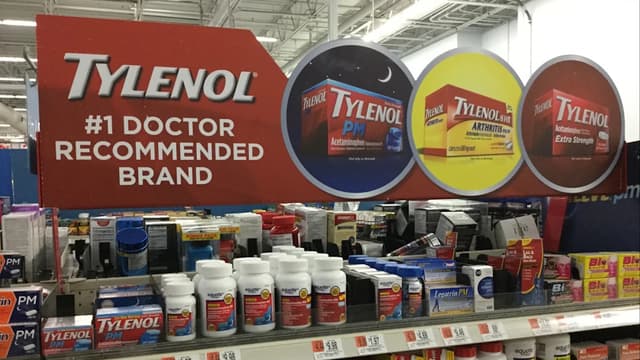
Market Concentration Is Spooking Wall Street—I’m Buying Kenvue
finance.yahoo.com
8h ago
KimberlyC
+1.13%
NVIDIA
-3.01%
3 Dividend Stocks to Buy in October and Hold for 20 Years
finance.yahoo.com
12h ago

Kenvue
+0.91%
KimberlyC
+1.13%
Kimberly-Clark’s (KMB) Kenvue (KVUE) Deal Has Jim Cramer Looking Years Ahead
finance.yahoo.com
16h ago

Show more
Frequently Asked Questions
What does defensive trading mean?
Defensive trading means investing in stocks or assets that are less sensitive to economic cycles and tend to perform steadily during market downturns, such as utilities, healthcare, and consumer staples. It’s a strategy to protect your portfolio from volatility and losses during uncertain or declining markets.
Why are utilities a defensive sector?
Utilities are a defensive sector because they provide essential services like electricity and water that people need regardless of the economy, so their demand remains stable even during economic downturns. This stability leads to steady revenues and dividends, making utilities less volatile compared to other sectors.
What are defensive stocks?
Defensive stocks are shares of companies that provide essential goods or services, such as utilities, healthcare, and consumer staples. These stocks tend to remain stable and perform well even during economic downturns because their products are always in demand.
How do you trade defensively?
To trade defensively, focus on investing in stable, low-volatility stocks like utilities, healthcare, and consumer staples that perform well during market downturns. Also, diversify your portfolio, avoid high-risk bets, and consider using strategies like stop-loss orders to protect against big losses.