
ALASEEL
3.62 SAR
-0.28%
Today
-2.70%
1D
Last seen at Tue, 24 Feb 2026 14:41:00 GMT+3
Market is closed
Sun
9:00 AM ~ 2:00 PM
Mon
9:00 AM ~ 2:00 PM
Tue
9:00 AM ~ 2:00 PM
Wed
9:00 AM ~ 2:00 PM
Thu
9:00 AM ~ 2:00 PM
Fri
Closed
Sat
Closed
Performance
1 Day
- 2.70 %
1 Week
+ 0.00 %
1 Month
+ 4.52 %
3 Month
+ 9.47 %
6 Month
- 1.07 %
1 Year
- 10.84 %
Information
Name
Thob Al Aseel SJSC
Currency
SAR
Standard Leverage
1X

Market Cap
1.29B
Avg Daily Volume
381.22K
52 Week High
4.53 SAR
52 Week Low
3.18 SAR
Trading Hours
See hours
Business Summary
Thob Al Aseel Company develops, imports, exports, wholesales, and retails fabrics and readymade clothes. The company operates through Thobs and Fabrics segments. It sells men's clothing and fabric, such as thobes, underwear, pajamas, and sleeping robes, as well as other products, including t-shirt, socks, and ehram. It operates through a chain of retail outlets under the Al-Jedaie brand. Thob Al Aseel Company was founded in 1987 and is based in Riyadh, Saudi Arabia.
Top News
ADVANCED.OTC
-3.61%
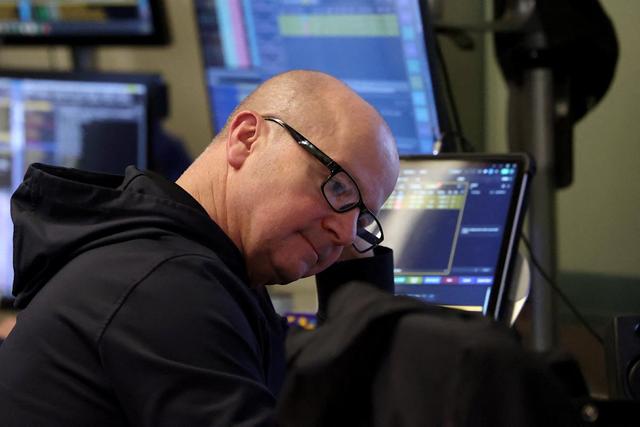
Stock market today: Dow, S&P 500, Nasdaq jump as software leads AI relief rally ahead of Nvidia earnings
finance.yahoo.com
1h ago
ADVANCED.OTC
-3.61%
Stock market today: Dow, S&P 500, Nasdaq climb as software stocks lead AI relief rally
finance.yahoo.com
4h ago

ADVANCED.OTC
-3.61%
Meta and AMD announce 6-gigawatt GPU deal as part of AI build-out, AMD stock jumps
finance.yahoo.com
7h ago

Frequently Asked Questions
What are cyclical stocks in trading?
Cyclicals are stocks that move in line with the broader economy. They perform well during economic booms and tend to decline during recessions.
Why do traders invest in cyclical sectors?
Traders use cyclicals to capitalize on economic recovery phases, often seeking high returns when consumer spending and business investment rise.
What industries fall under cyclicals?
Automobiles, travel & tourism, retail, restaurants, and luxury goods are common cyclical industries.
Are cyclical stocks risky?
They can be. While they offer growth potential, they are more volatile and sensitive to economic changes compared to defensive sectors.


